The 10 Archaeological Parks of Cusco
The city of Cusco concentrates the most important archaeological parks in all of Peru
Cusco was the center of the Inca culture, so it is possible to find many of the most important Inca archaeological centers in the entire region, but there are also remains of other cultures that developed there before the Incas.
National Archaeological Park of Machu Picchu
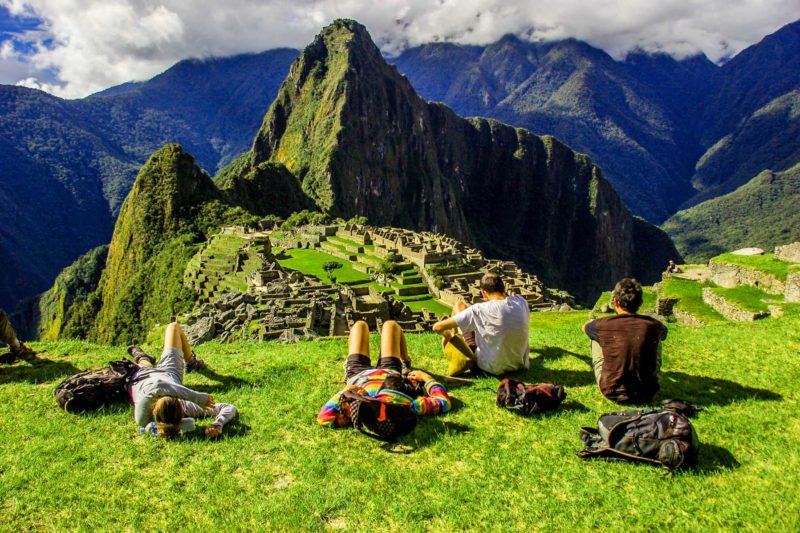
It is located in the province of Urubamba, 110 km northwest of the city of Cusco, with an area of 38 448 Ha. Inside the archaeological park is the Inca city of Machu Picchu, is the most important archaeological site in Peru and one of the most prominent in the world. Machu Picchu is one of the wonders of the modern world and in turn is a sacred place of Andean culture. The function that Machu Picchu had is not yet clear, there are several hypotheses, some indicate that it was a mausoleum built by the Inca Pachacuteq; a palace so that he could continue to govern even after he died, others indicate that it was a center for resource management, or that it was a religious political center. Apart from its function Machu Picchu was built in a magnificent way and in complete harmony with its natural environment.
Pikillaqta Archaeological Park
This archaeological park is located in the province of Quispicanchis, very close to the districts of Oropesa and Lucre, with an area of 4,444 Ha. Pikillaqta is also part of the tourist circuit South Valley of Cusco , you can find pre-Inca remains of different groups ethnic people who occupied the place, but the one that stands out the most is the architecture of the Wari culture, and whose precincts built there are among the most emblematic of that culture. Among the most outstanding structures we have the Qaranqayniyuj settlement, the Choquepucjio buildings and the most important structure of the Urpicancha complex, a set of extraordinary platforms of great architectural beauty .
Raqchi Archaeological Park
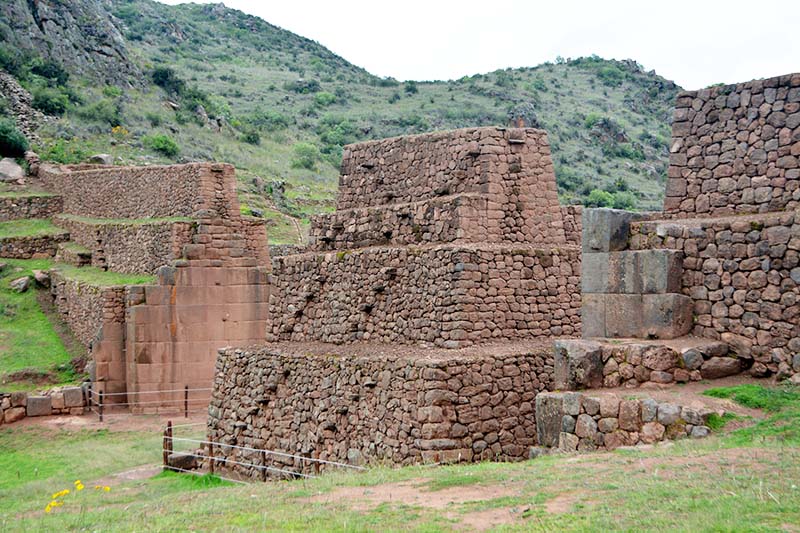
Raqchi is located in the district of San Pedro, in the province of Canchis about 120 km south of Cusco. It has an area of 1,097 Ha. It is a large settlement that was built in honor of the main deity of the Incas, Wiracocha. Among the various structures that were built there, stands out above all the Temple of the god Wiracocha, although today only a part remains, it is possible to imagine the majesty that should have had . Raqchi is closely related to the Kinsachata volcano, which is considered an important huaca and in whose skirts there are graves, chullpas and walls. To access the park, you must pay approximately USD 6.00 upon admission.
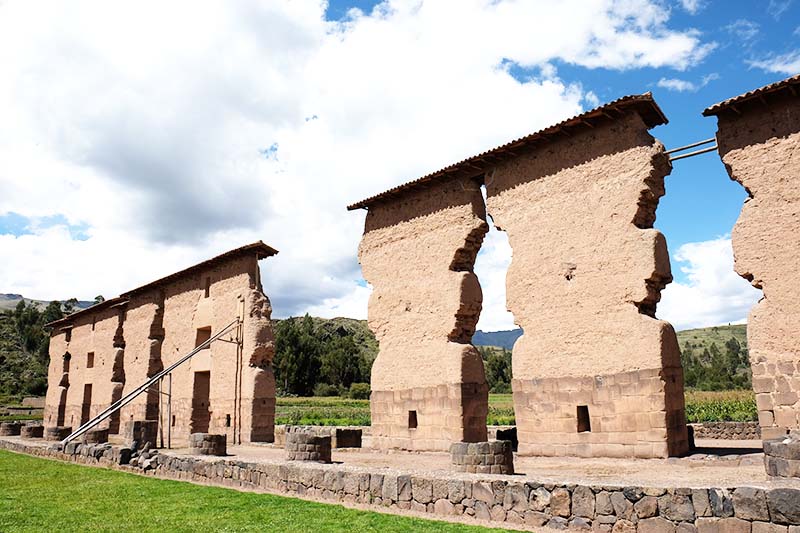
Archaeological Park of Chinchero
This park is located in the province of Urubamba, in the Chinchero district, reaching an area of 43 Ha. Chinchero was originally occupied by an ethnic group prior to the Inca culture. Already during the height of the Tahuantinsuyo the Inca Tupac Yupanqui planned the construction of the Inca palaces of Chinchero and that were destined for the Inca elite. At the moment in the town of Chinchero it is possible to see still the magnificent remains of what those great palaces were, in the center of the main square and on what was the main enclosure a colonial church is raised, the contrast that is generated gives Chinchero a special atmosphere, as if it were a place suspended in time .
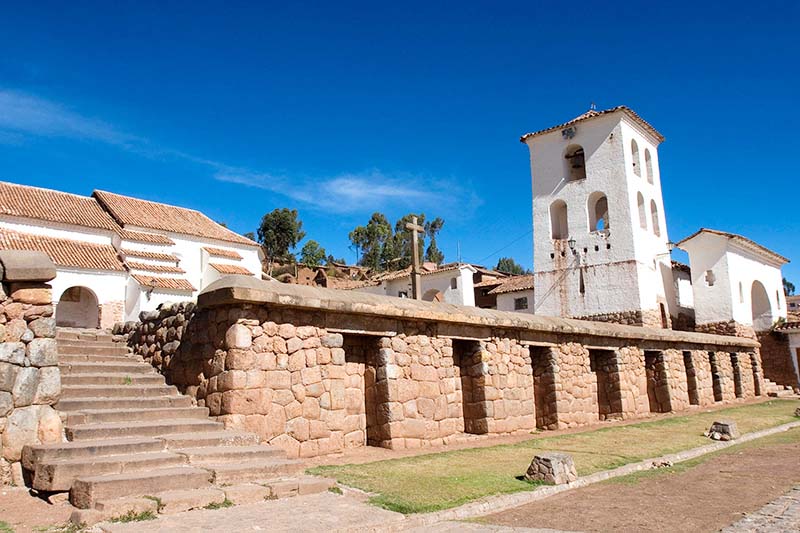
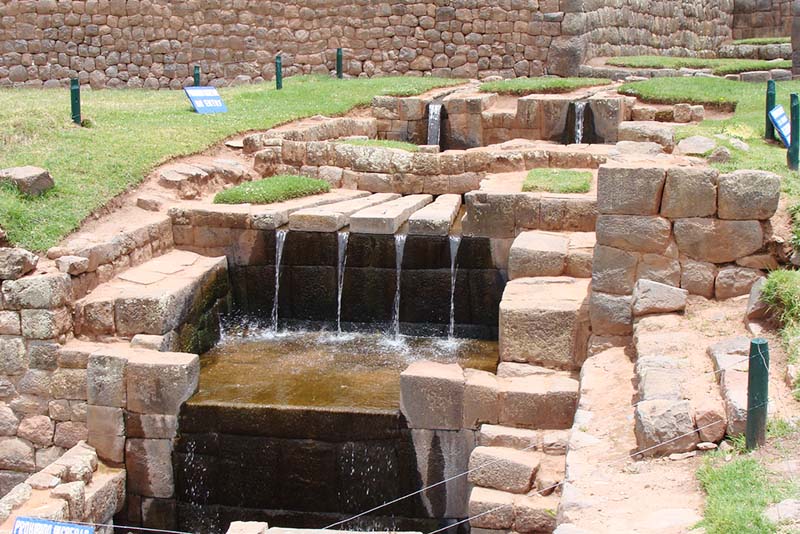
Tipón Archaeological Park
The Archaeological Park of Tipón is a settlement that is located near the district of Oropesa a few kilometers from the city of Cusco, and that is part of the tourist circuit of the South Valley . It has an extension of 239 Ha. Tipón is a system of aqueducts, ceremonial fountains, agricultural terraces and enclosures. Already in the Inca period and according to the chronicler Garcilaso de la Vega, in Tipón the Inca Wiracocha ordered to build a residence for his father Yawar Wakaq, to serve as shelter and housing after the latter was overthrown by his own son. The remains that are currently seen would be part of that royal house.
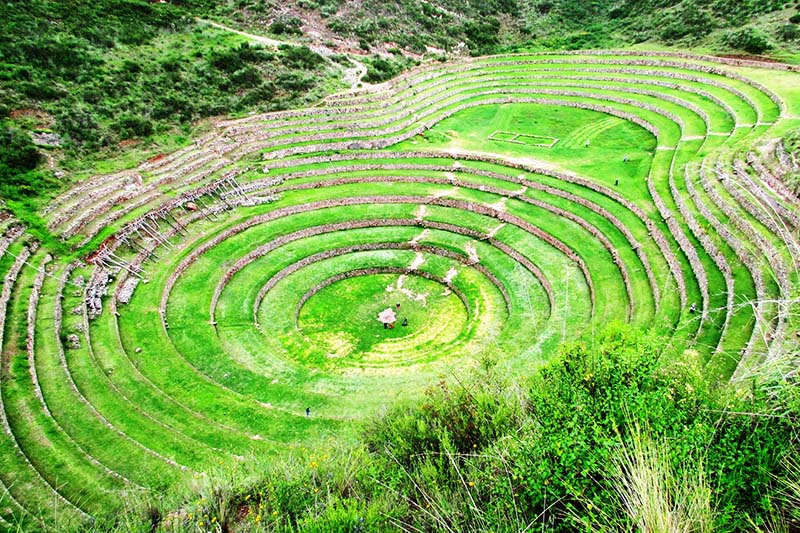
Moray Archaeological Park
It is located in the province of Urubamba in the district of Maras and has an extension of 37.50 Ha. Moray is a system of several large concentric circular terraces and of which it is believed that they were an agricultural research center. The arrangement of the platforms generates a variety of microclimates, in the center of the system they reach their maximum temperature and which is reduced as they move outside. These terraces allowed a large variety of vegetables and more than 3,000 varieties of potatoes to be produced, in addition to allowing wild species of plants to be tamed, it is quite possible that coca was also planted.
Archaeological Park of Choquequirao
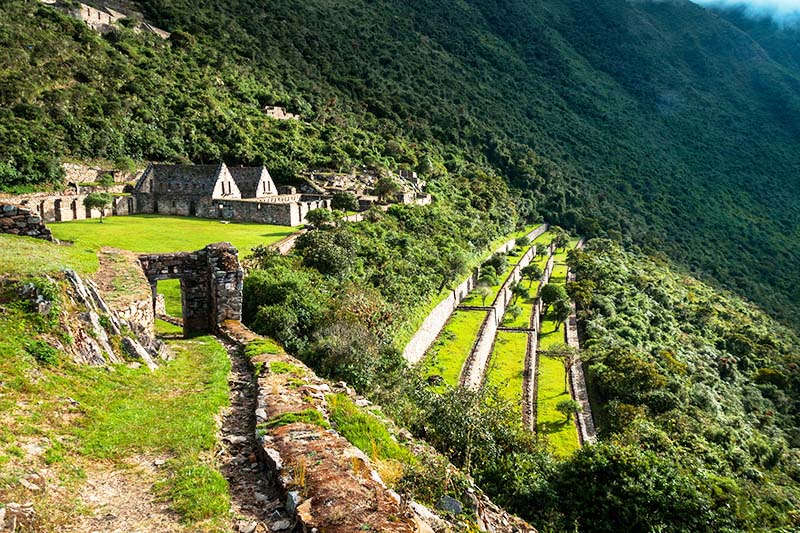
This park is located on the right bank of the Apurimac River near the Salkantay mountain range, in the district of Santa Teresa in the province of the convention in Cusco. It has an area of 1810 Ha. Choquequirao is a large archaeological complex with typical Inca buildings and a magnificent andenería, it is known as the younger sister of Machu Picchu and is still very little explored , this is because to get to it you need a walk that lasts 4 days. The complex is in full cleanliness, and only a third of it has been exposed. Choquequirao was one of the last bastions of Inca resistance and was abandoned after the fall of the empire.
Pisac Archeological Park
It is located in the province of Calca in the district of Pisac and has an extension of 9063 Ha. It is believed that Pisac was a royal estate and its name refers to the partridge, a bird that abounds in the area. Several sectors are located in the main enclosure of the park, including the main or Intiwatana neighborhood, where temples and palaces of fine masonry are housed, the Temple of the Sun stands out. Other constructions that stand out are the towers or pucaras and the platforms.

Archaeological Park of Ollantaytambo
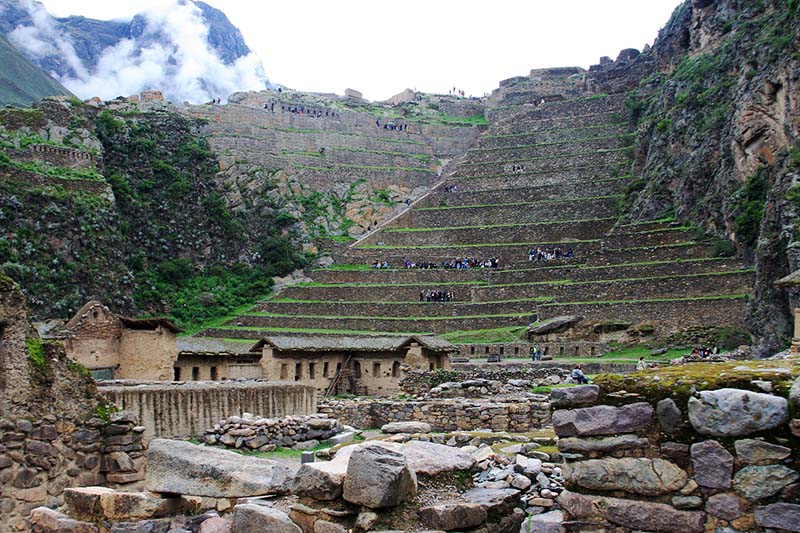
It is located in the district of the same name in the province of Urubamba and has an area of 34 800 Ha. The archaeological remains of Ollantaytambo have a well-maintained architecture, its beautiful platforms or structures such as the Temple of the Sun are proof of this . The chronicles indicate that Ollantaytambo was built by order of the Inca Pachaquteq, with the aim of being a tambo; but also that of being a llaqta, so Ollantaytambo had a triple function: military, agricultural and religious.
Archaeological Park of Sacsayhuamán
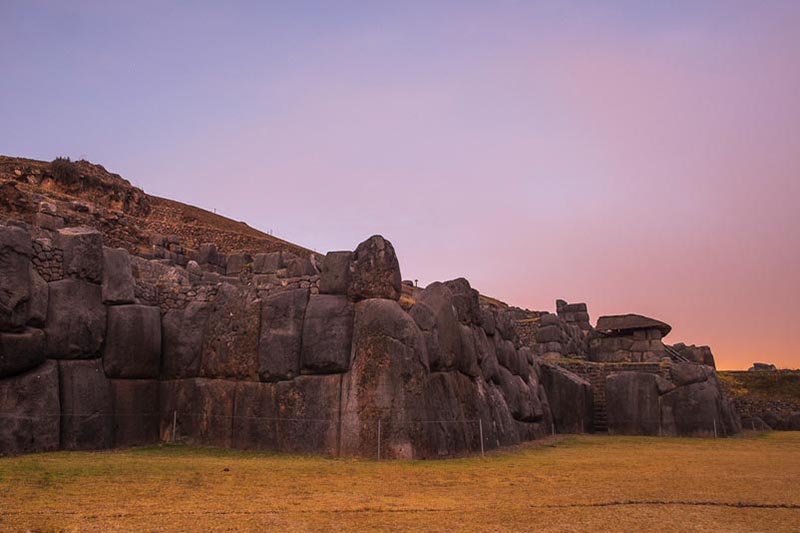
The Archaeological Park of Sacsayhumán is one of the most recognized in Cusco, it is located very close to the city and has an extension of 3996 Ha. Within the park there are 33 archaeological sites, and the most prominent is the Sacsayhuaman Fortress, an incredible enclosure where it is possible to observe giant blocks of stone in its walls. The Inti Raymi ceremony takes place on the esplanade that is adjacent to the fortress every June 24. The construction of this site according to the chroniclers would have been initiated by the Inca Pachacuteq, but some studies suggest that Sacsayhuaman may have been a pre-Inca construction. The form of the enclosure indicates that it had a military function, this is reinforced by the resistance that the Incas made in the same against the Spanish conquerors, but recent findings and research suggest that it also had a religious and even astronomical function.