


How to avoid altitude sickness on your trip Cusco and Machu Picchu 2020
Although it is true that it can affect anyone regardless of sex, physical condition or age, there are ways to avoid it.
To make your trip something pleasant and without inconvenience, here are some tips and remedies about soroche or altitude sickness in Cusco and Machu Picchu and how is its treatment.
How high are Cusco and Machu Picchu located?
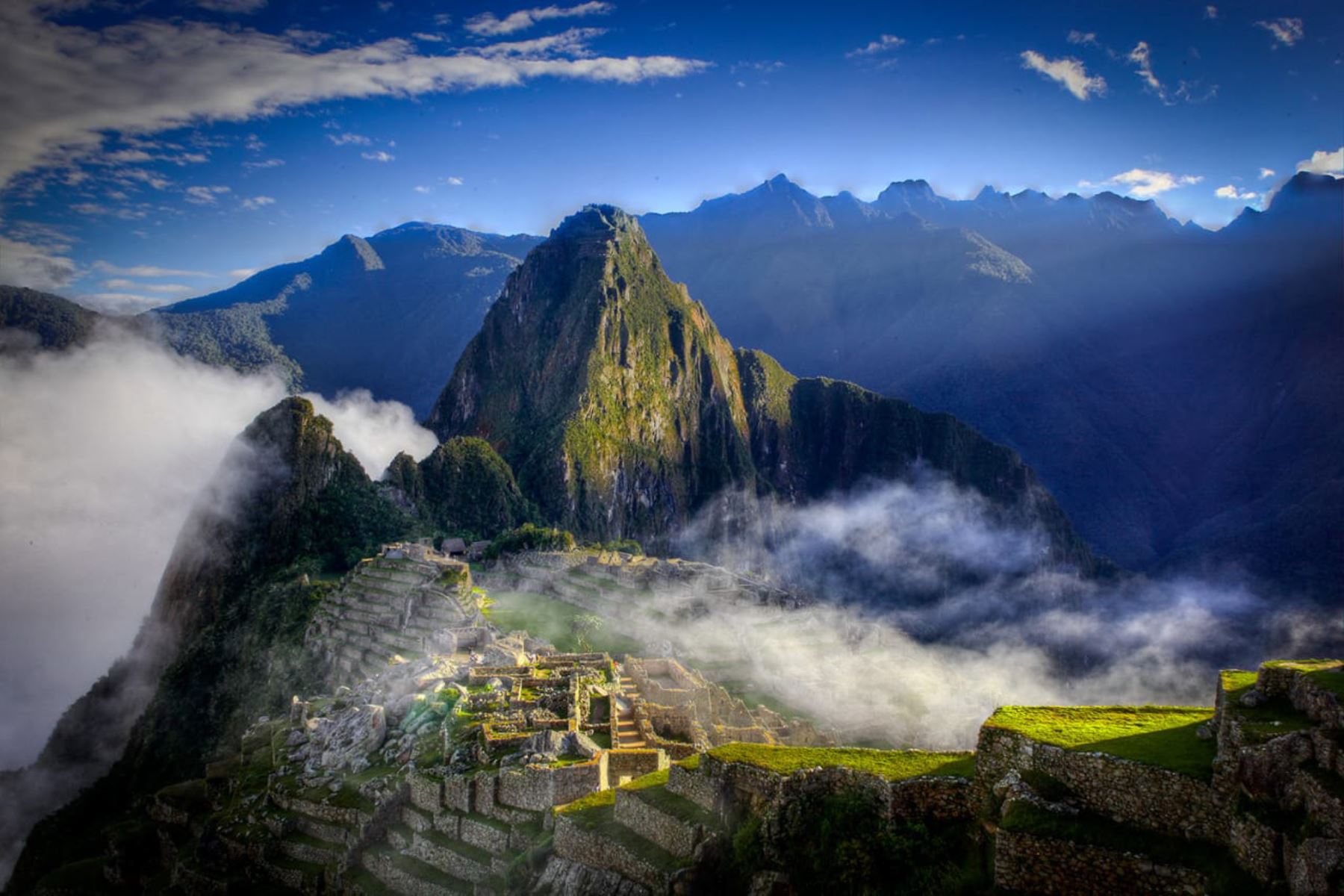
Being located in the middle of the mountains, you may think that Machu Picchu is located higher than Cusco, but it is not so! The Imperial City is 3,399 meters above sea level, while Machu Picchu is 2,430 meters above sea level, almost 1000 meters apart!
How can altitude sickness affect you on your trip to Machu Picchu?
If you were born in places near sea level and lived there all your life, you will feel an ideal candidate for altitude sickness (although, again, you can never really predict). It is possible, if it is your first time in Cusco, that you feel headaches, nausea or discomfort. They are some of the symptoms of altitude sickness and then we will tell you how to avoid them. For the second time, remember that altitude sickness is not something that should be taken lightly and that has caused some deaths in Cusco. In all cases, people who did not pay enough attention. Nor will he like to spend his incredible vacation to one of the wonders of the world, in a hospital.
Symptoms of altitude sickness
Some people feel the symptoms of altitude sickness as a hangover, but for others the symptoms are more severe and they spend their entire stay in a hospital. It doesn't matter if he comes from Florida or the Himalayas, or how old he is or how experienced he is, all people without exception can get sick from altitude sickness ; but not everyone gets the same intensity. These are the symptoms of altitude sickness:
- Dizziness, lightheadedness
- Headaches
- Sickness
- Vomiting
- Diarrhea or constipation
- Difficult breathing
- Tachycardia
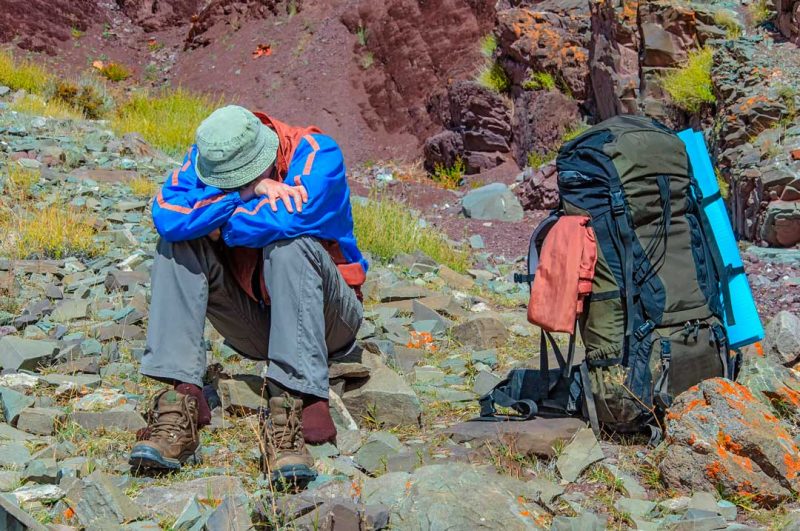
Tips to combat altitude sickness or soroche
You don't have to fear soroche! Although its symptoms are not pleasant, there are many ways that help us with the treatment of altitude sickness. Here we leave you many ways to treat altitude sickness, including natural ways!
- Take it easy . This is really the best advice and the most ignored to avoid altitude sickness. Remember that your body is trying to get used to the least amount of oxygen; So it is very important that you take it easy the first days you are in Cusco. Do not take long walks or long walks. Do not strain your body further, which is working extra time to oxygenate the blood .
- Breathe deeply . Again, your body is trying to get the necessary oxygen, but there is less available in each breath. So take a deep breath to try to get more air .
- Avoid alcohol . The reasons for this are debated, but some studies show that the effects of alcohol are greater at high altitude (that is, you will get drunk more easily). In addition, alcohol can exacerbate the effects of altitude sickness . Stay away from pisco, at least the first days in Cusco.
- Drink a lot of water . This does not exactly relieve altitude sickness, but sometimes it is difficult to tell the difference between altitude sickness and dehydration, and high elevations tend to be very dry, which means that you need more water to hydrate your body .
- Acclimatize to a lower altitude and ascend slowly . This advice can be difficult to follow, as it means changing your travel plans. Many people recommend that after getting off the plane, take a taxi or bus to the Sacred Valley , one hour from Cusco, where the elevation is about 600 m. (2,000 feet) below. This allows you to acclimatize at a lower height, and then move back to Cusco, when your body is more accustomed to the high altitude. The other option is to take a 21-hour bus trip from Lima to Cusco. Some people think that the Lima-Cusco bus is a better option, since it allows you to ascend slowly over the course of 21 hours; and although this is likely to allow for a gradual acclimatization, the route is full of curves and mountains, and it is very likely that he will end up ill, if he is prone to motion sickness.
- Taking Diamox . In the US, Diamox is a medication used to treat glaucoma; However, it can also treat altitude sickness. It is necessary to take it 24 hours before arriving in Cusco, however, a side effect of the drug is that you probably have to urinate more frequently. It is not very practical when you are traveling. Another of the recommended medications for altitude sickness and that you can find in any pharmacy in Cusco is Sorojchi Pills (you can get them without a prescription).
- Bring chlorophyll drops . (Yes, chlorophyll as in the green matter of plants). You may not have heard of this treatment before reading this; It is a natural remedy, you put a few drops in the water every day and you may never suffer any symptoms of altitude sickness. The effect behind this treatment is that chlorophyll increases the amount of red blood cells in your system, so there is more chance that oxygen will be absorbed into the blood . This treatment may make your teeth green but not bad at all
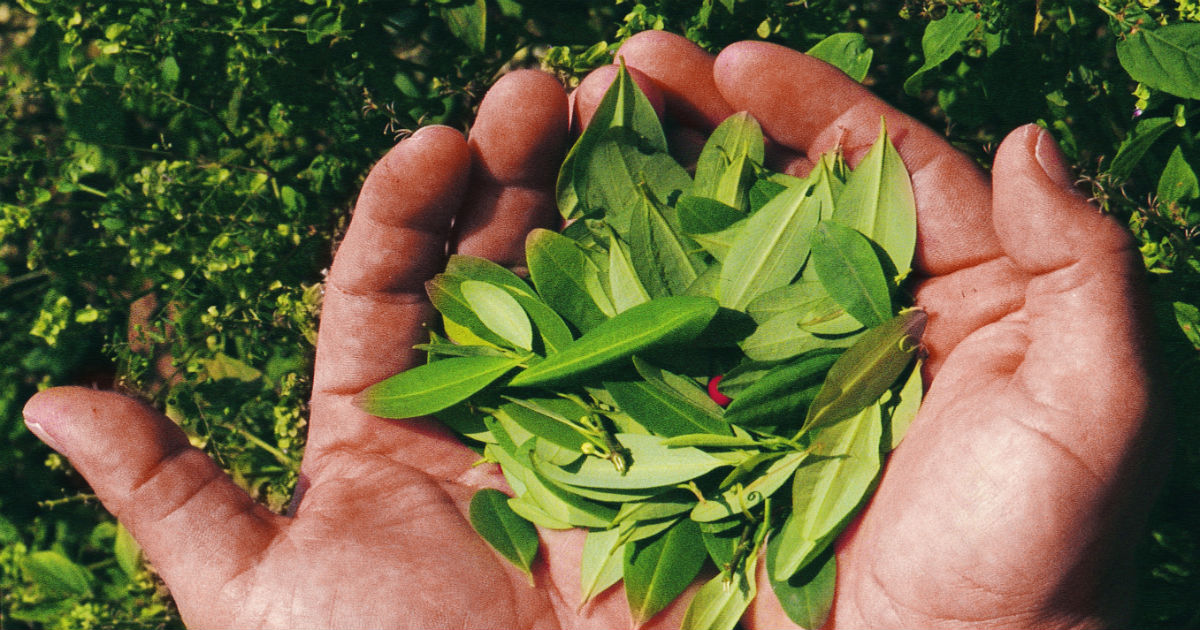
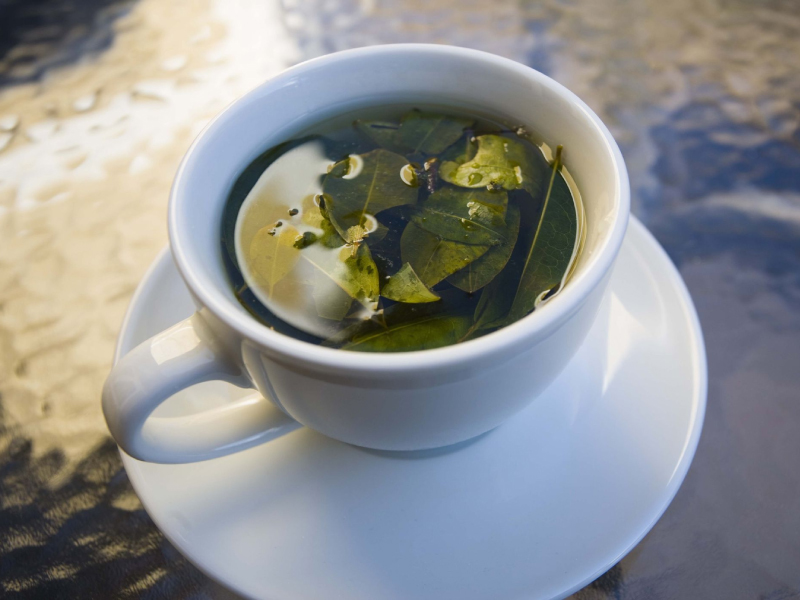
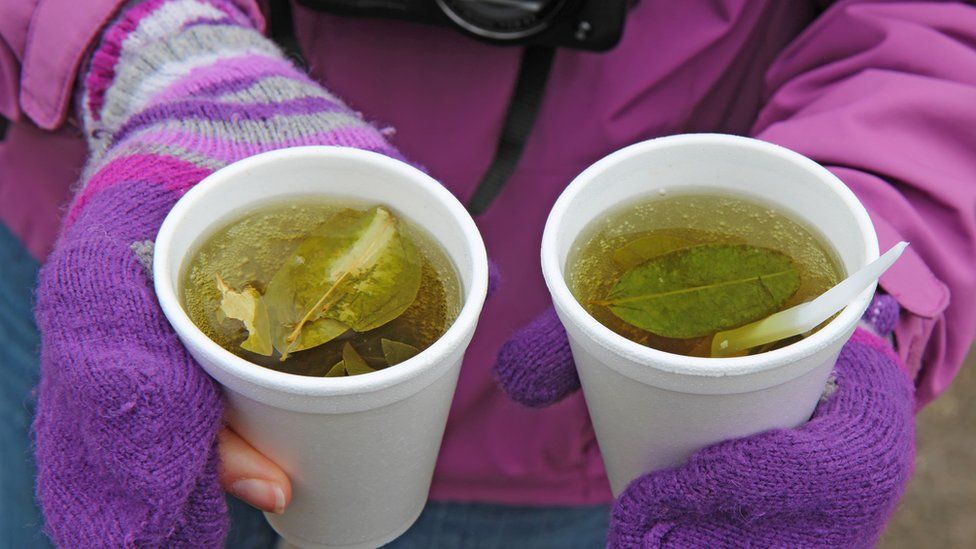
- If you like natural remedies, drink coca tea . (infusions of coca leaves). Oh the coke. It is found everywhere in Cusco. Let's clarify something; yes, coca is the plant from which cocaine is made; however, coca leaves alone are not enough to feel anything similar to the illegal drug; so yes, it is totally safe to drink coca tea. However, do not drink more than four or five cups in a row, or you could suffer heart palpitations; However, it is one of the best natural remedies against altitude sickness , and is used since the time of the Incas.

If you really fear altitude sickness, you can bring an oxygen meter in your blood (pulse) , there are small pulse meters that are placed on your finger.